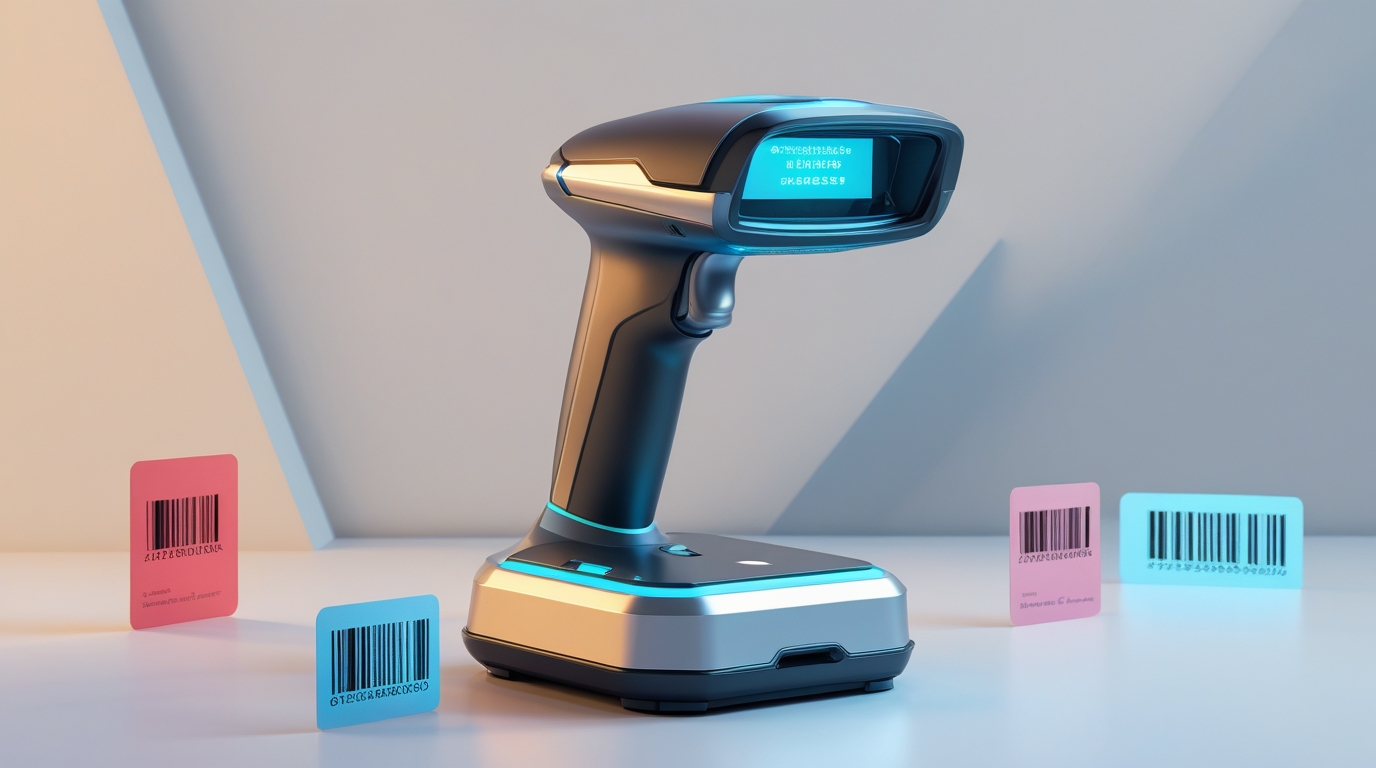
Barcode Reader Guide: Benefits, Types & Tips for Efficient Scanning
Created on 10 November, 2025 • Misc tools • 211 views • 2 minutes read
Discover the ultimate guide to barcode readers. Learn how they work, their types, benefits, and tips to boost accuracy and efficiency in business operations.
In today’s fast-paced world, barcode readers have become an essential tool for businesses and individuals alike. Whether you are running a small shop or managing a large warehouse, understanding how a barcode reader works can make your operations faster, more accurate, and more efficient.What is a Barcode Reader?
A barcode reader is a device that scans and reads the information encoded in a barcode. Barcodes are patterns of lines and spaces that represent data, such as product information, serial numbers, or inventory details. Barcode readers translate these patterns into digital data that a computer or device can understand.
How Does a Barcode Reader Work?
Most barcode readers work using a simple principle: they shine a light on the barcode and detect the reflection. Dark bars absorb light, and white spaces reflect it. The scanner converts these light patterns into electrical signals, which are then decoded into readable information.
There are different types of barcode readers, including:
Laser scanners – Use a laser beam to scan the barcode quickly and accurately.
CCD scanners – Use an array of sensors to capture the barcode image.
Camera-based scanners – Use a digital camera and image-processing software.
Each type has its advantages, depending on speed, distance, and the environment where it is used.
Benefits of Using a Barcode Reader
Using a barcode reader brings several advantages, and almost every business can benefit from it.
Accuracy: Manual entry can lead to mistakes. Barcode readers reduce errors and ensure data is precise.
Speed: Scanning barcodes is faster than typing numbers manually. It saves time for both employees and customers.
Inventory Management: Businesses can track stock efficiently, avoid shortages, and prevent overstocking.
Cost Efficiency: Reducing errors and saving time directly lowers operational costs.
Versatility: Barcode readers are used in retail, healthcare, logistics, and even libraries.
Choosing the Right Barcode Reader
Selecting the best barcode reader depends on your needs. Consider these factors:
Environment: Dusty or industrial areas may require durable models.
Type of barcode: Some scanners are better for 1D barcodes, while others handle 2D QR codes.
Connectivity: Options include USB, Bluetooth, or wireless scanners.
Budget: Determine your needs first, then select a scanner that fits your budget without compromising quality.
Tips for Optimal Use
To maximize efficiency, ensure barcodes are clean and visible. Regularly update scanner software and train staff on proper scanning techniques. Combining a good barcode reader with effective inventory software can revolutionize operations.
In conclusion, a barcode reader is more than just a scanning device. It is a powerful tool that enhances accuracy, efficiency, and productivity across various industries. By understanding its types, benefits, and best practices, you can make the most of this indispensable technology.
Popular posts
-
-
-
-
-
DNS LookupChecker tools • 99 views